- 5.0
- Transportation
- Accommodation
- Food
- Top Value
About Badrinath
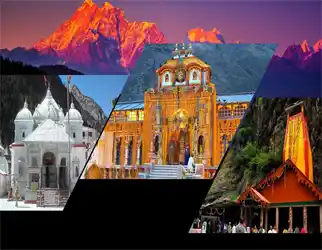
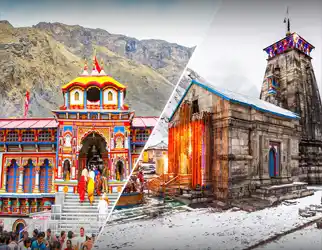
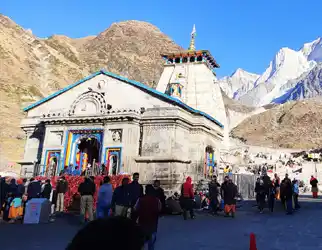
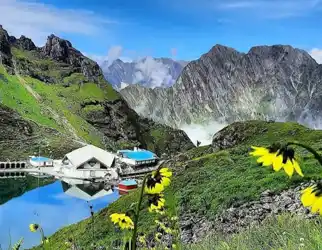
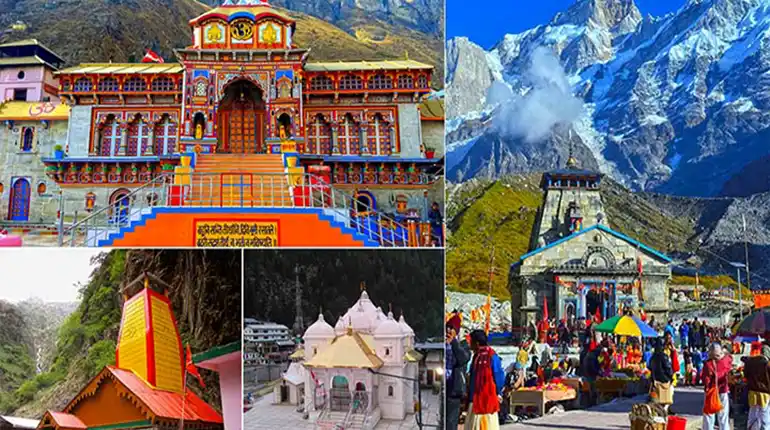
Badrinath ji, one of the most sacred sites of the Chardham circuit, occupies a position in the Chamoli district of Uttarakhand at an altitude of approximately 3,133 metres (10,279 ft). The holy destination is wonderfully located on the banks of the Alaknanda River in the Garhwal region. If you're reaching here from Kedarnath, you'll need two days' travel time, and it's worth noting that Badrinath lies very close to the Indo-China border. During the pilgrimage season, the route to Badrinath gets pretty crowded, as many other holy destinations lie along the same route.
Travelling to Badrinath proves to be an enriching experience, as it provides a keen insight into Hindu culture and tradition. Apart from visiting the shrine and seeking the blessings of Lord Vishnu, pilgrims can also browse a wide range of religious and decorative items sold near the temple, including Ayurvedic medicine, holy books, ancient coins and colourful beads.
Badrinath Quick Facts
| Altitude | Approx. 3,133 metres (10,279 ft) |
| District | Chamoli, Uttarakhand |
| Located on | Banks of the Alaknanda River |
| Nearest base town | Joshimath (approx. 45 km / 2 hrs by road) |
| Road access | Direct road access to the temple - no trekking required |
| Deity | Lord Vishnu (as Badri Vishal) |
| Winter closure | Rituals shift to Narsingh Temple, Joshimath |
Badrinath Temple Guide
Dedicated to the Hindu god Lord Vishnu, the Badrinath Temple is a frequent haunt of travellers and pilgrims. The temple is surrounded by a tiny mountain village and snow-laden Himalayan peaks on all sides. The typical road route to reach the temple is Haridwar - Rishikesh - Devprayag - Srinagar - Rudraprayag - Karnaprayag - Joshimath - Badrinath. Nearby sights within a few kilometres of the temple include the Tapt Kund hot springs, Mana Village (the last Indian village before the Indo-China border), Vasudhara Falls and Brahma Kapal.
Panch (Five) Badris
Badrinath is comprised of five badris - Vishal Badri, Yogdhyan Badri, Bhawishya Badri, Bridha Badri and Adi Badri. For more details on each of these badris and why they are so sacred, read below.
Vishal Badri
This is the major shrine of Lord Badri Nath, and the one most pilgrims refer to simply as "Badrinath". The word 'Vishal' means huge in Hindi, indicating the significance of this badri. While praying at Vishal Badri, devotees say 'Jai Badri Vishal Ki'.
Yogdhyan Badri
This badri is situated at Pandukeshwar, about 20 km from Joshimath. According to Hindu tradition, this is the place where the Pandavas handed over Hastinapur, their capital, to King Parikshit before renouncing worldly life.
Bhawishya Badri
To reach Bhawishya Badri, pilgrims travel around 17 km from Joshimath. The word Bhawishya means 'future' in Hindi - legend holds that this will become the site of worship when the current route to Badrinath becomes impassable. This badri sits at an elevation of around 2,744 m above sea level.
Bridha Badri
According to Hindu mythology, Lord Badrinath was originally worshipped at Bridha Badri, or the "Old Badri". The temple is located a short distance of about 7 km from Joshimath and, unlike the main temple, remains open throughout the year.
Adi Badri
Adi Badri is best reached from Karnaprayag and is known for its cluster of ancient temples dating to the Gupta period. The main temple stands on a raised, pyramid-shaped platform and enshrines a black stone idol of Lord Vishnu.
Best Time to Visit Badrinath
Badrinath Temple typically opens around Akshaya Tritiya (late April or early May) and closes around Vijayadashami in mid-November, following the Hindu lunar calendar. May-June and September-October remain the most comfortable months for pilgrims, avoiding both the peak monsoon (July-August) and the onset of winter snow.
How to Reach Badrinath
Badrinath is directly accessible by road - no trekking is required, unlike Kedarnath. Pilgrims typically travel via Haridwar - Rishikesh - Devprayag - Srinagar - Rudraprayag - Karnaprayag - Joshimath, with Joshimath serving as the most common overnight base before the final stretch to Badrinath.
Frequently Asked Questions - Badrinath
-
The above package cost includes
- Including Accommodation, Transportation & Meals.
- Accommodation on family basis Rooms with attached Bathroom.
- All places are double sharing Deluxe Room.
- The above hotels are subject to availability, in case of non availability similar hotels will provide.
- Transport: By 2*1 12 Seater push back tempo traveller (Incl Toll Tax & Parking) with Good Driver.
- (Break Fast,lunch, Dinner) pure, Gujarati, Rajsathani, Marwadi,Jain, South Indian food.
-
The above package cost does not includes
- Any Expenses of personal Telephone calls, camera charges, Laundry, Entrance fees, Rope way, Porter and Pony.
- Guide charges
-
Travel Tips:-
- Advance hotel booking are must.
- Carry snacks with you in case of long traffic jams/ land slides.
- Carry drinking Water, and medicines with you.
- Respect customs of local.
- Carry Rain Coat/ Umbrella, Torch, minimum luggage with you.
- Carry enough of winter clothing as it gets cold in Badrinath & Kedarnath.
- In case of any serious Medical Emergency, CALL 108 (The mobile emergency service from GOVERNMENT OF UTTARAKHAND), don't make fake calls, as it is punishable offence